
How Often Should Teeth Be Cleaned?

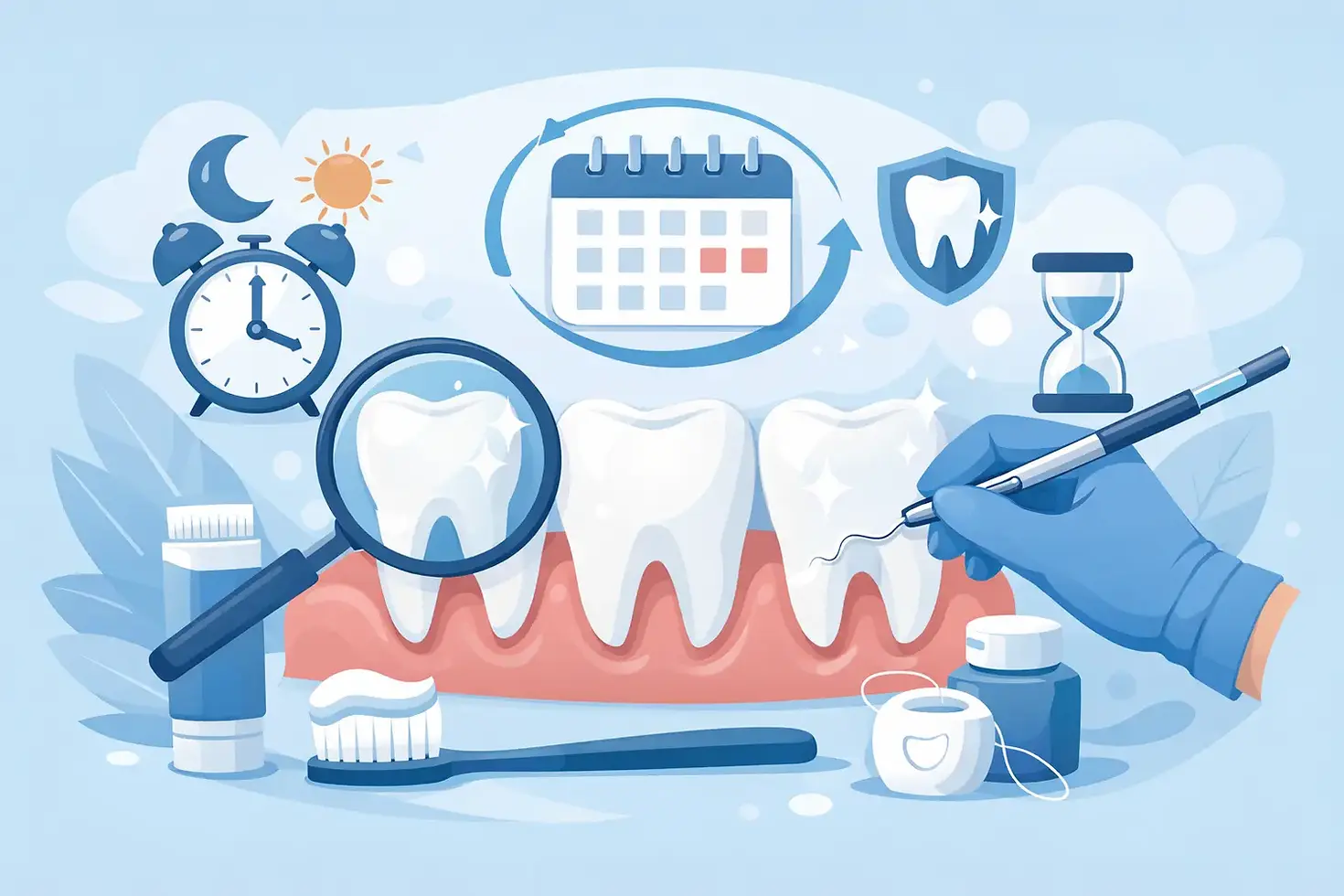
If you have ever wondered how often should teeth be cleaned, the short answer is this: for many people, every six months is a good starting point, but it is not the right schedule for everyone. Some patients do very well with two cleanings a year. Others need to come in more often to keep their gums healthy, control plaque buildup, or stay ahead of dental problems before they become painful and expensive.
That difference matters. A cleaning schedule should fit your mouth, your health history, and your risk for gum disease or decay. A personalized plan is always more helpful than a one-size-fits-all rule.
How often should teeth be cleaned for most people?
For the average healthy adult, a professional dental cleaning every six months is common. That timing works well because plaque hardens into tartar over time, and tartar cannot be removed with brushing and flossing at home. Regular cleanings help lower the risk of cavities, gum inflammation, bad breath, and more serious dental issues that can build quietly between visits.
Six months is a practical rhythm for many families because it creates consistent preventive care without feeling overwhelming. It also gives your dental team a chance to spot early changes, whether that is a small cavity, signs of grinding, or the beginning of gum irritation.
Still, six months is not a magic number. It is a guideline. If your mouth tends to stay healthy and clean with good home care, that schedule may be enough. If not, you may benefit from more frequent visits.
Why some people need cleanings more often
Some patients build up plaque and tartar faster than others, even when they brush regularly. Genetics, diet, medications, dry mouth, crowding, and past dental history all play a role. If you are prone to gum disease, frequent cavities, or heavy tartar, waiting a full six months may give problems too much time to progress.
Your dentist may recommend a cleaning every three to four months if you have a history of periodontal disease, inflammation that keeps returning, or deep pockets around the gums. In these situations, more frequent hygiene visits are not about overdoing care. They are about keeping a manageable problem from becoming a serious one.
Patients with braces, clear aligners, crowns, bridges, or implants may also need closer maintenance. Dental work can create more places for plaque to hide, and regular cleanings help protect the investment you have made in your smile.
Signs you may be overdue for a cleaning
Sometimes the calendar is not the only clue. Your mouth often gives you signals when it needs attention.
Bleeding when you brush or floss is one of the most common signs. While many people assume that is normal, healthy gums should not bleed regularly. Persistent bad breath, a fuzzy feeling on the teeth, tenderness along the gums, or visible tartar near the gumline can also mean it is time to schedule a visit.
You may also notice increased tooth sensitivity or a feeling that your mouth never feels fully clean, no matter how well you brush. These symptoms do not always mean there is a major problem, but they are worth checking sooner rather than later.
How often should teeth be cleaned if you have gum disease?
If you have gingivitis or periodontal disease, the answer to how often should teeth be cleaned usually changes. In many cases, patients with gum disease need maintenance cleanings every three to four months instead of every six.
That is because gum disease is not just about surface stains or tartar you can see. Bacteria collect under the gumline, where they can irritate tissue and damage the structures that support your teeth. More frequent visits help disrupt that bacterial buildup before it gets out of control.
There is also an important difference between a routine cleaning and periodontal maintenance. A standard cleaning is designed for patients with generally healthy gums. Periodontal maintenance is a more targeted type of follow-up care for patients managing gum disease over time. Your dentist or hygienist will recommend the right approach based on the condition of your gums.
What changes cleaning frequency for kids and teens?
Children and teens often do well on a six-month schedule, especially when they are getting regular exams and preventive care. But age alone does not guarantee low risk.
Some kids have deep grooves in their molars, frequent snacking habits, inconsistent brushing, or orthodontic appliances that make cleaning more difficult. In those cases, more frequent hygiene visits may be helpful. Teenagers with braces, in particular, can benefit from added support because plaque tends to collect around brackets and wires.
For families, the best schedule is one that is realistic and preventive. Staying consistent with cleanings can make dental care feel normal and low-stress for children, which pays off for years to come.
Medical conditions that can affect how often you need cleanings
Your oral health does not exist on its own. Certain medical conditions can increase your risk of dental problems and change how often professional cleanings are recommended.
Diabetes is a common example. Patients with diabetes may be more vulnerable to gum inflammation and infection, especially if blood sugar is not well controlled. Dry mouth is another major factor, whether it is caused by medication, autoimmune conditions, cancer treatment, or other health concerns. Saliva helps protect your teeth, so when your mouth stays dry, plaque and cavity risk can increase.
Pregnancy can also affect the gums. Hormonal changes may lead to more sensitivity, swelling, or bleeding, which can make routine cleanings especially valuable during this time. Tobacco use is another reason a dentist may suggest more frequent visits, since it raises the risk of gum disease and can mask early signs of inflammation.
Why home care matters between cleanings
Professional cleanings are important, but they cannot make up for months of neglected home care. The goal is to work together. Daily brushing, flossing, and healthy habits support what happens in the dental chair and help your results last longer.
Brushing twice a day with fluoride toothpaste, flossing once a day, and drinking plenty of water go a long way. If you have higher risk factors, your dentist may also recommend a prescription rinse, a water flosser, fluoride treatment, or other products tailored to your needs.
This is where honesty matters. If flossing has been inconsistent or you are struggling with sensitivity, that is useful information, not something to be embarrassed about. A good dental team will meet you where you are and help you build a routine that feels manageable.
Cleanings are about more than polishing teeth
Many people think of a dental cleaning as a quick polish to keep the teeth looking nice. That is part of it, but the real value is preventive care.
At a cleaning visit, your hygienist and dentist are looking for signs that may not be obvious to you yet. That can include early decay, recession, enamel wear, clenching, gum inflammation, and changes in existing dental work. Catching problems early usually means simpler treatment, less discomfort, and lower cost.
That preventive side is one reason regular visits matter even if your teeth feel fine. Dental problems are often quiet in the beginning. By the time pain appears, treatment is usually more involved.
So, what is the right schedule for you?
If your teeth and gums are healthy, every six months may be exactly right. If you have gum disease, a history of heavy tartar, frequent cavities, dry mouth, braces, or certain medical conditions, your ideal schedule may be closer to every three or four months.
The key is not chasing a perfect number. It is making sure your cleaning routine matches your actual needs. At a neighborhood practice like West 56th Dental, that means looking at the whole picture, listening to your concerns, and recommending care that feels both honest and practical.
If you are not sure whether you are due, that is usually your sign to ask. A cleaning should feel like steady maintenance for your health, not a rushed reaction to a problem. A comfortable, consistent routine now can save you a great deal of stress later.


Comments