
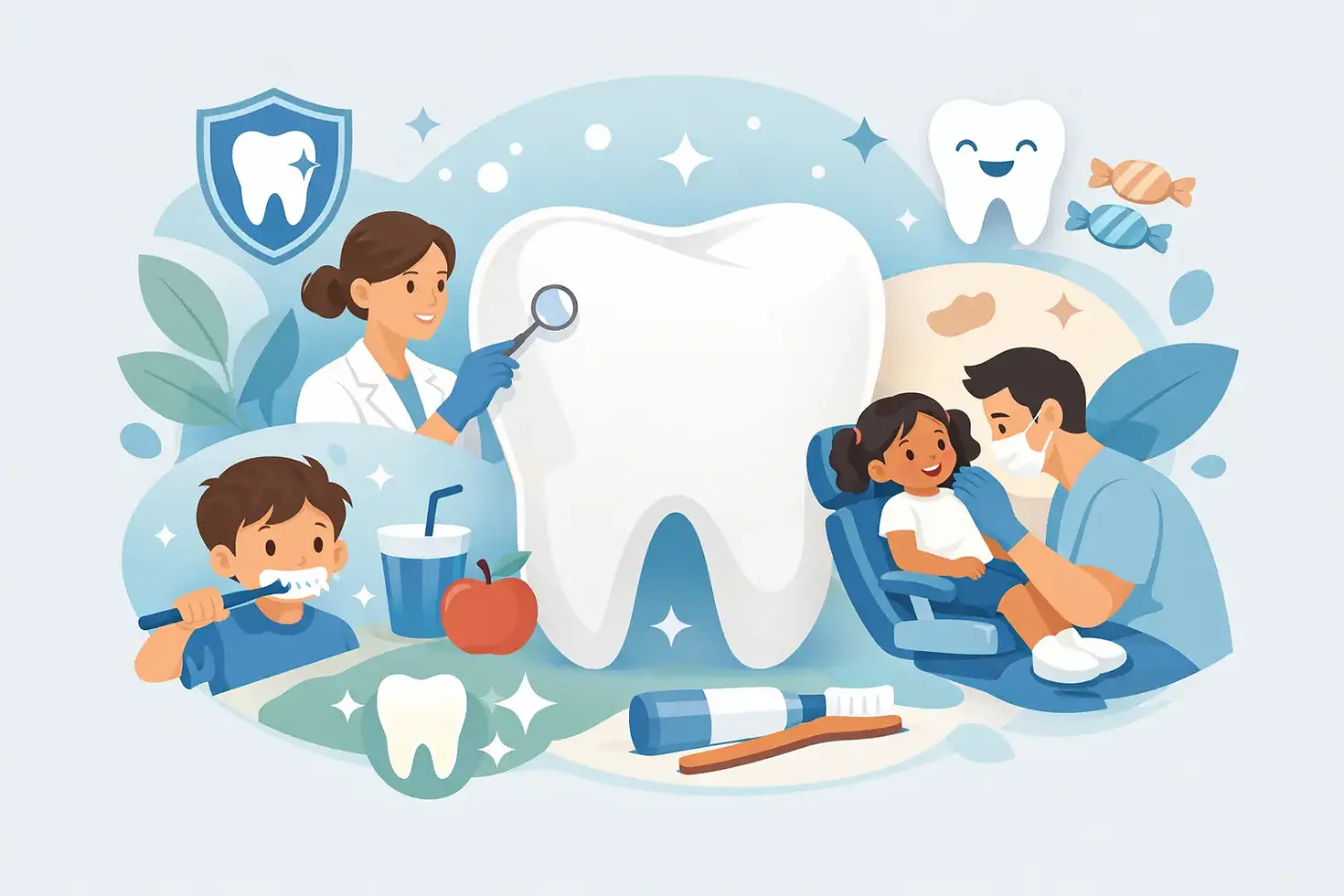
Your Guide to Pediatric Cavity Prevention

A child can get a cavity soon after the first tooth arrives, which can feel surprising when you are doing your best as a parent. The good news is that a guide to pediatric cavity prevention does not need to be complicated or perfection-driven. Small routines, repeated consistently, can protect your child's smile while helping dental visits feel familiar and comfortable.
Why Baby Teeth Need Real Protection
Baby teeth are temporary, but their role is not. They help children chew comfortably, speak clearly, and hold space for permanent teeth as their jaws grow. When a baby tooth develops a painful cavity or is lost too early, eating, sleeping, school, and future tooth alignment can all be affected.
Cavities form when mouth bacteria use sugars and starches from food and drinks to make acids. Those acids weaken tooth enamel. This is not simply a matter of whether a child eats candy. Frequent exposure matters just as much as the amount. A child who slowly sips juice, chocolate milk, or a sweet drink over an afternoon gives those acids repeated chances to work on the teeth.
Children also need extra support because their brushing skills are still developing. Even an enthusiastic brusher may miss the gumline, back teeth, and the tight spaces where cavities often begin. That is normal. It is also why a parent’s role remains important well beyond the toddler years.
A Parent's Guide to Pediatric Cavity Prevention at Home
The most effective prevention plan is built around two dependable habits: brushing twice a day and keeping sugary drinks and snacks from becoming an all-day event. Morning brushing freshens the mouth, but bedtime brushing is especially valuable. During sleep, saliva flow drops, so food residue and sugars have more time to affect enamel.
Use a soft-bristled, child-sized toothbrush and fluoride toothpaste. For children younger than 3, use a rice-grain-sized smear. From ages 3 through 6, use a pea-sized amount. Encourage your child to spit out the toothpaste when they are able, but do not rinse with water afterward. Leaving a small amount of fluoride on the teeth gives it more time to strengthen enamel.
Until children can tie their own shoes well, they usually do not have the hand control to brush thoroughly on their own. Let them practice, then have an adult brush again or carefully check the work. This does not need to become a nightly struggle. A two-minute song, a timer, or taking turns can make the routine easier to accept.
Flossing becomes necessary when two teeth touch closely together. A toothbrush cannot clean between those surfaces. Floss picks can be helpful for parents, especially around small back teeth, though traditional floss works well too. The best choice is the one your family can use consistently.
Make Water the Everyday Drink
Tap water is one of the simplest tools for protecting a child's teeth, particularly when it contains fluoride. Water washes away food particles, does not feed cavity-causing bacteria, and helps keep the mouth hydrated. Offer it regularly between meals, during sports, and after snacks.
Milk can be a nutritious part of meals, but it is best served with food instead of carried around for frequent sipping. Juice is not needed for most children, and even 100% fruit juice contains natural sugars that can contribute to decay. If you serve juice, keep it to a meal and use a small cup rather than a sippy cup or bottle that travels from room to room.
Avoid putting a child to bed with a bottle or sippy cup containing milk, juice, sweetened tea, or any other sugary drink. Water is the safe choice after teeth have been brushed. This one change can make a meaningful difference for infants and toddlers.
Think About Frequency, Not Just Treats
Families do not have to ban birthday cake, holiday candy, or the occasional drive-through treat. A realistic approach is more likely to last. The goal is to give teeth breaks between eating occasions so saliva can help neutralize acids.
Offer sweets with a meal when possible, rather than as a snack that lingers all afternoon. Choose snacks that are less likely to stick to teeth, such as cheese, yogurt with no added sugar, vegetables, nuts when age-appropriate, eggs, and fresh fruit. Crackers, chips, fruit snacks, dried fruit, and gummy candies can cling to grooves in the teeth, so they are better as occasional foods than constant grazing options.
Sticky medicines can matter, too. If your child needs a sweetened liquid medication, ask the pharmacist or pediatrician whether a sugar-free option is available. If it must be taken before bed, brush afterward when instructions allow.
Fluoride, Sealants, and Other Helpful Protection
Fluoride is a naturally occurring mineral that helps enamel repair early weak spots and resist future acid attacks. Fluoride toothpaste used in the right amount is safe and effective for children. Depending on your child's age, cavity history, and the fluoride level in your home water, a dental professional may also recommend a fluoride varnish during regular checkups.
Dental sealants are another practical option, especially for permanent molars. These thin protective coatings are placed in the deep grooves on the chewing surfaces of back teeth, where toothbrush bristles may not reach effectively. Sealants are quick to place, do not require drilling into healthy teeth, and can lower the risk of cavities in those vulnerable areas.
Not every child needs the same plan. A child with dry mouth, frequent snacking needs, braces, enamel weaknesses, or previous cavities may benefit from more frequent preventive visits or extra fluoride support. Personalized care is not about making treatment feel complicated. It is about focusing attention where it can do the most good.
When Should Children Visit the Dentist?
A first dental visit is recommended by a child’s first birthday or within six months of the first tooth coming in. Starting early gives parents a chance to ask questions about brushing, feeding, thumb-sucking, and fluoride before problems have time to grow.
Early visits also help children learn that the dental office is a normal, welcoming place. The appointment may be brief at first, and that is okay. A gentle exam, a look at oral development, and friendly guidance can build trust long before a child needs treatment.
After that, many children do well with checkups every six months. Some need a different schedule based on their individual risk. Regular visits allow the dental team to spot early enamel changes, monitor incoming teeth, provide professional cleanings, and offer advice that matches your child’s current stage.
Watch for Signs That Need Attention
Cavities do not always hurt at the beginning. A chalky white area near the gumline may be an early sign that enamel is weakening. Brown or dark spots, sensitivity to cold foods, pain while chewing, bad breath that does not improve with brushing, or a complaint that one tooth hurts all deserve a call to the dentist.
Do not wait for a child to have severe pain. Early care is usually simpler and more comfortable than treatment after a cavity has grown deeper. If a toothache comes with facial swelling, fever, or trouble swallowing, seek urgent dental or medical guidance right away.
Build Habits Without Turning Teeth Into a Battle
Children notice the tone adults bring to dental care. Try to keep brushing matter-of-fact and positive rather than presenting it as a punishment for eating sweets. Let your child choose between two toothbrush colors, stand on a stool at the sink, or brush a stuffed animal’s teeth while you brush theirs.
As children grow, explain the reason behind the routine in simple language: brushing removes the germs that make holes in teeth. Honest, age-appropriate explanations build cooperation better than scary warnings. If your child is nervous about an upcoming visit, avoid promising that nothing will happen. Instead, reassure them that the dental team will explain each step and help them stay comfortable.
At West 56th Dental, we believe preventive visits should feel supportive for children and parents alike. A calm, neighborly approach helps families ask questions openly and make decisions with confidence.
Your child does not need a flawless diet or perfect brushing every night to have a healthy smile. Start with the next brushing, offer water at the next snack, and keep regular dental visits on the calendar. Those ordinary choices are how strong habits, and strong smiles, take root.


Comments